The mainstream media is hyperventilating over Elon Musk’s February 2nd blog post confirming that SpaceX has merged with his artificial intelligence company, xAI. They are obsessing over the staggering $1.25 trillion combined private valuation - $1 trillion for SpaceX, $250 billion for xAI. They are tracking the Wall Street Journal reports showing how SpaceX's valuation violently jumped from $400 billion in July 2025, to $800 billion by December, to where we are now.
And naturally, retail investors are foaming at the mouth because Musk just hopped on X to validate a CNBC report confirming that the SpaceX IPO is officially happening in 2026, targeting an ultimate valuation of $1.5 trillion.
But while everyone is watching the IPO countdown clock and waiting to fight for scraps on launch day, the real story is what the smart money is actually doing right now.
Institutional capital doesn't wait for the bell to ring. They find the backdoors. They buy the suppliers, the infrastructure, and the physical assets that make the trillion-dollar headlines possible. If you want an asymmetric edge in this market, you have to look past the rockets and focus strictly on the plumbing.

The Split-Screen Reveal: Data Centers in the Sky
Here is the split-screen reality you need to understand.
On one side of the screen, you have the retail crowd cheering because Trump-nominated NASA head Jared Isaacman - a known Musk ally who has actually flown on private SpaceX missions - is taking over. The amateur analysts think this means a tidal wave of government money is coming to pump the stock.
Don't be an idiot. Musk himself just clarified that NASA contracts will account for less than 5% of SpaceX’s revenue next year. The government isn't the whale here.
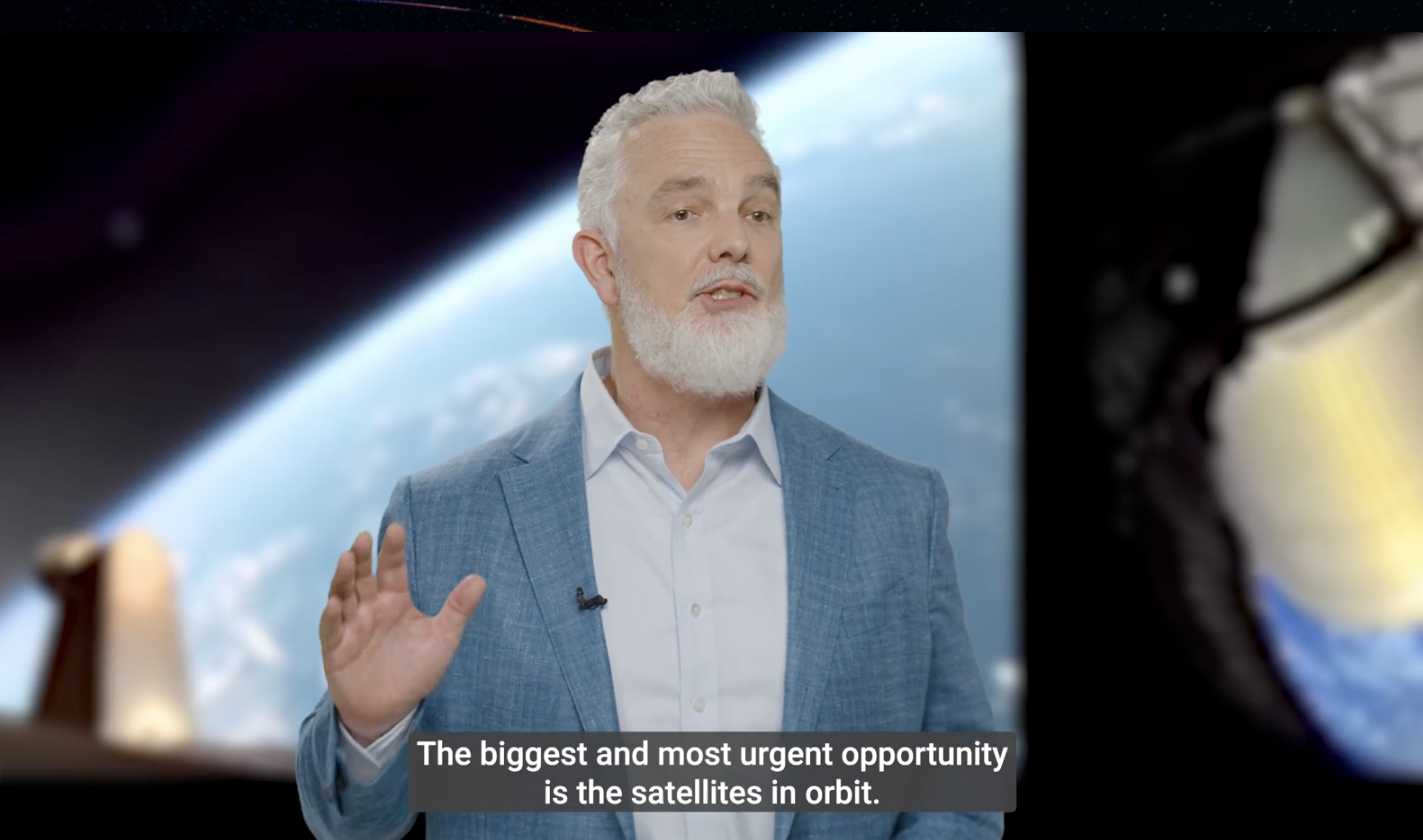
On the other side of the screen - where the smart money operates - is the infrastructure play. The real reason SpaceX is aiming for a $30 billion-plus capital raise in this IPO isn't to build better rocket engines. It's to build orbital AI data centers.
When SpaceX absorbed xAI, it wasn't just a corporate shell game. It was the fusion of hard tech and physical AI. Starlink isn't just providing internet to off-grid cabins anymore; it is becoming the low-latency nervous system for global artificial intelligence. Putting data centers in space solves the massive terrestrial energy and cooling bottlenecks that are currently choking the AI industry.
That is why the valuation is ballooning to $1.5 trillion. It’s an infrastructure monopoly. But getting direct exposure to a private monopoly before it goes public is a rigged game, designed to keep you out until Wall Street has already skimmed the cream.
Unless, of course, you know where to look.

The EchoStar Loophole

If you want to know how the insiders are playing this, look at the recent moves by EchoStar (NASDAQ: SATS).
While retail investors were busy setting Google Alerts for "SpaceX IPO date," EchoStar quietly executed one of the most brilliant infrastructure trades of the decade. They sold a massive chunk of their spectrum rights - the invisible highways of the sky - to SpaceX for $19 billion, plus another $2.6 billion in related assets.
But they didn't just take cash. They took SpaceX stock.
EchoStar now holds roughly a 1.6% stake in SpaceX. At the new $1.25 trillion merged valuation, that private stake alone is worth roughly $20 billion. SATS stock is now effectively a 62.5% proxy for SpaceX. Buying EchoStar today is literally a backdoor, publicly traded pre-IPO play on SpaceX.
And it gets better. EchoStar took the net cash from that spectrum deal - a cool $12.7 billion - and formed EchoStar Capital to deploy into other tech, media, and telecom bets.
This is exactly what I mean by an asymmetric opportunity. You have a publicly traded company sitting on a mountain of cash and a massive, concentrated stake in the most anticipated private company on Earth. You don't have to wait for the 2026 IPO to get exposure. The market structure has handed you a loophole on a silver platter.
The Ecosystem Multiplier
The infrastructure trade doesn't stop at spectrum deals and orbital servers. You have to look at the entire physical AI ecosystem.
During a November 2025 meeting, Musk openly discussed exploring priority SpaceX stock access for Tesla shareholders. Why? Because the companies are fundamentally integrating.
We are seeing new patents showing deep Starlink integration with millions of Tesla vehicles. Think about what that actually means. A Tesla isn't just a car; it's a mobile sensor platform - a physical AI actuator that requires constant, uninterrupted data flow. By hardwiring Starlink into millions of moving vehicles, Musk is essentially turning every Tesla into a node on the SpaceX network.

This ecosystem synergy is what justifies the $1.5 trillion aim. It's an inescapable loop. You buy the car, the car requires the network, the network is powered by the orbital data centers, and the data centers are launched by the rockets.
But again, the mainstream is distracted. They want to buy the consumer brand. They want to buy the shiny object. The smart money is buying the silent partners, the network enablers, and the software engines that will ride this new global connectivity wave.
When billions of previously offline devices and users suddenly light up via Starlink, the companies that provide the digital plumbing for that new traffic are going to see their valuations go parabolic.
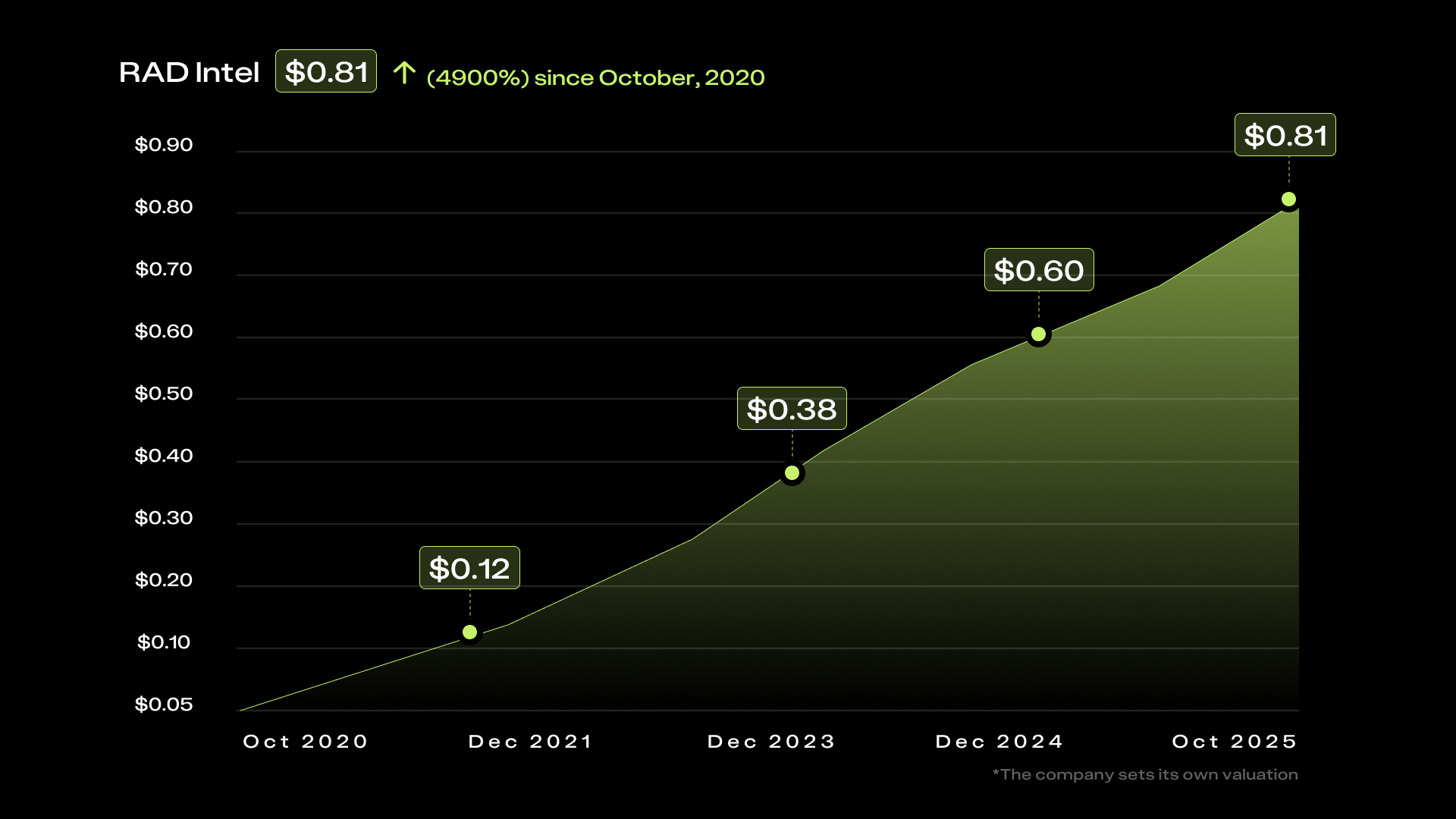
The 2026 SpaceX IPO isn't just a liquidity event for Elon Musk; it is a fundamental rewiring of global internet and AI infrastructure. The merger with xAI and the $30 billion target for orbital data centers prove that this is a hard-tech infrastructure play, not a space tourism gimmick.
The institutional capital flows are already moving. They are utilizing private equity loopholes, Reg A+ offerings, and backdoor proxy stocks like EchoStar to position themselves before the retail herd even has a chance to open their brokerage apps on launch day.
If you sit on your hands and wait for Jim Cramer to tell you to buy SpaceX at a $1.5 trillion valuation, you are going to be the exit liquidity for the guys who bought in today.
You need to look at the suppliers. You need to look at the companies utilizing this new satellite network to expand their own AI contracts. You need to look at the physical assets that make the whole damn thing run.
We always end with the mechanics. How do you actually trade this? You use the Barbell Strategy.
On one end of the barbell, you play defense. The macro environment is still highly volatile. With monetary policy shifts like S.1582 quietly altering the banking landscape, you need hard assets. Physical gold, wealth protection structures, things that cannot be printed or deleted. You anchor your portfolio in reality.
On the other end of the barbell, you go highly offensive with asymmetric infrastructure plays. You don't buy the S&P 500 index fund and pray for 8%. You look for the backdoors.
You look at a company like EchoStar, sitting on a $20 billion SpaceX stake and $12.7 billion in cash. You look at early-stage AI engines that are perfectly positioned to scale as Starlink brings billions of new nodes online. You exploit the pre-IPO loopholes that the institutional guys use to front-run the market.
