The Concept of "Negative Cost"

Stop Paying the "Lazy Tax"
In the financial markets, if you are sitting at the poker table and you don't know who the sucker is, it’s you. The entire retail economy is designed to separate you from your cash as efficiently as possible. Retailers hike prices to cover inflation, and banks charge fees to process transactions. The average consumer just accepts this. They pay the sticker price. They pay the "Lazy Tax."
But the "Deals Catcher" operates differently. We look for inefficiencies in the system. And right now, there is a massive inefficiency sitting right in front of Amazon Prime members. It is called the "Customer Acquisition Cost" (CAC) arbitrage.
Banks and huge retailers are desperate for your business. They are so desperate that they are willing to operate at a loss just to get a card in your wallet. When they offer a massive "Welcome Bonus" (instant cash) and high percentage cash back, they are essentially paying you to shop.
If you are going to buy holiday gifts, groceries, or household essentials anyway, paying with a debit card or cash is mathematically irresponsible. It’s a guaranteed -100% loss on that capital. Using a rewards vehicle turns that transaction into a partial win. It reduces your "cost basis" on life.
The Inflation Hedge Strategy

Fighting the Fed with 5%
Let’s talk macroeconomics for a second. The government tells you inflation is cooling. Go to the grocery store or look at your Amazon order history, and tell me if you believe them. The price of everything is up. Your dollar buys less today than it did yesterday. This is the silent theft of your wealth.
In this environment, you need a hedge. Wall Street buys gold or Bitcoin to hedge against inflation. But for your daily "burn rate" (your living expenses), the best hedge is Cash Back.
Think about the math. If inflation on groceries is 5%, and you use a standard card, you are losing 5% of purchasing power. If you use a card that gives you 5% back on Whole Foods or Amazon, you have effectively neutralized inflation. You have held the line.
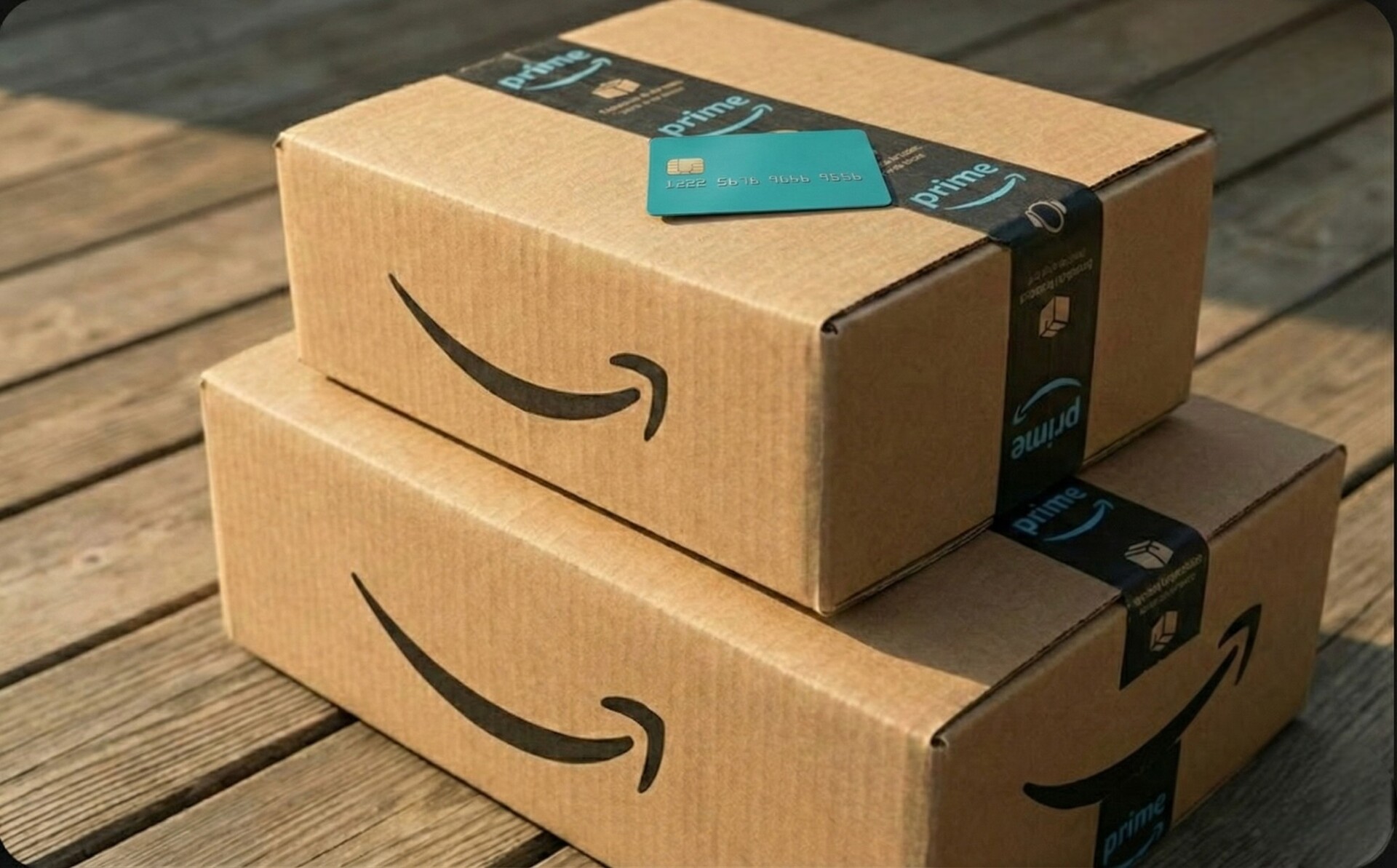
This isn't about "saving pennies." It's about preserving the value of your labor. The wealthy do not pay full price. They use instruments - like the one above - to claw back value from every transaction. That "Welcome Bonus" isn't just a gift; it's a retroactive discount on everything you bought this year. It is immediate liquidity that you can deploy elsewhere.
The Consumer Watchlist (Holiday Season):
AMZN (Amazon): The king of Q4. Watching their earnings will tell us if the consumer is strong or broke.
V (Visa) / MA (Mastercard): They win no matter what. Every swipe is a fee for them. We like owning the "toll booth."
XRT (SPDR S&P Retail ETF): A broad basket of retail stocks. If holiday spending beats expectations, this flies.
WMT (Walmart): The benchmark for the average American consumer. If WMT drops, the economy is in trouble.
Liquidity is King

The Opportunity Cost of Cash
One of the biggest mistakes amateurs make is tying up their own cash flow in inventory (stuff they buy). When you use a debit card, that money is gone instantly. When you use a rewards credit card, you keep your cash in your high-yield savings account for an extra 30 days (until the bill is due), earning interest.
This is called "Float." Companies like Amazon and Costco built empires on Float. They get paid by customers before they pay their suppliers. You should do the same.
By using the card mentioned above, you not only get the Welcome Bonus (free capital) and the Cash Back (inflation hedge), but you also keep your own liquidity for longer. In a high-interest-rate world, cash is an asset. Don't give it away faster than you have to.
Use the bonus to buy gifts? Sure. Or better yet - take the cash equivalent you saved and invest it. That’s how you turn a $200 bonus into a $2,000 portfolio over time. That is the Deal Catcher way.
|
Sponsored Content
Something Interesting For You
|
The Q4 "Setup"

Don't Be a Victim of the Holidays
We are approaching the "silly season." This is when emotional spending destroys financial discipline. Retailers use psychological tricks to get you to overspend.
The only way to win is to have a plan.
Secure the Bonus: Get the approved card now, so the "Welcome Bonus" hits your account before the heavy shopping starts. That is free money subsidizing your gifts.
Stack the Deck: Combine the card’s 5% back with Prime Day deals or Black Friday sales. Now you are getting 20-30% off real value.
Exit Strategy: Pay the balance in full. Never pay interest. If you pay interest, you lose the game. The bank wins. If you pay zero interest and collect the rewards, you win. The bank pays you.
This is a game of transfer. Wealth is transferred from the impatient to the patient, and from the uninformed to the strategic. Be strategic.
Bottom Line
You are going to spend money at Amazon anyway. You are going to buy groceries. The only choice you have is whether you want to get paid to do it, or if you want to do it for free. The "Welcome Bonus" is essentially free capital sitting on the table. Take the deal, secure the cash back, and let the system pay for your holidays.
